


Valves UK
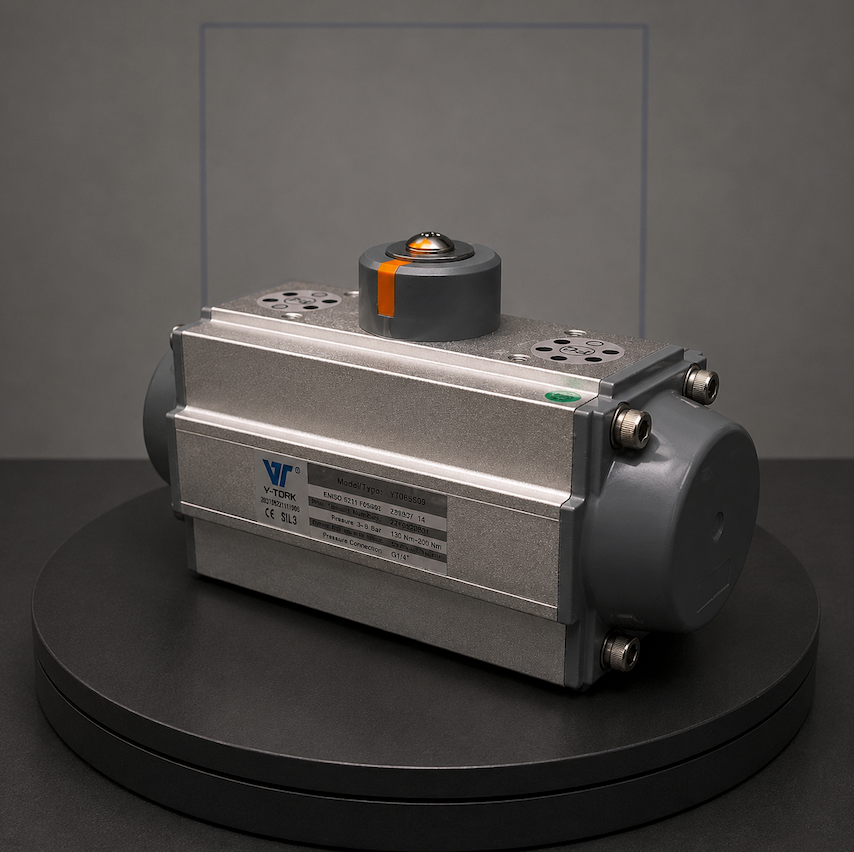
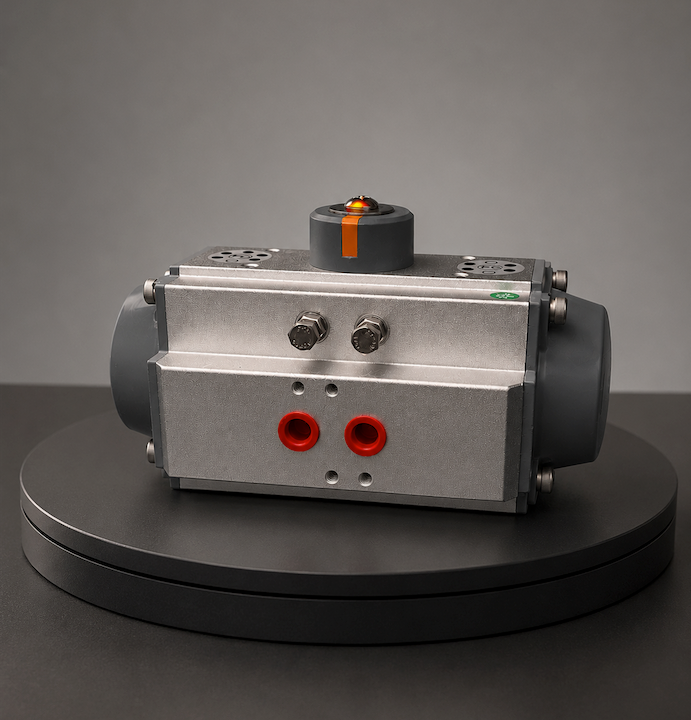
V-Tork VT085S08 Double Acting Pneumatic Actuator F05/F07
V-Tork VT085S08 Double Acting Pneumatic Actuator F05/F07
Couldn't load pickup availability
The V-Tork VT085S08 Double Acting Pneumatic Actuator is an entry-level rack and pinion quarter-turn actuator offering excellent value for automated valve control. The aluminium alloy construction with epoxy protective coating ensures long-lasting performance in various industrial settings.
The double acting mechanism ensures the actuator safely returns to its preset fail-safe position upon air supply failure. ISO 5211 F05/F07 dual flange compatibility makes it suitable for direct mounting on a range of valves.
Key Features:
- Double acting fail-safe operation
- - ISO 5211 F05/F07 mounting interface
- - Operating pressure: 4-8 bar
- - Epoxy-coated aluminium alloy body
- - Compatible with ball, butterfly, and plug valves
- - V-Tork Technology actuator series
- - Cost-effective solution for small valve automation
Perfect for HVAC systems, water treatment, light industrial processes, and general valve automation applications.
Share


Enquire Online!
FAQ's
What is the difference between a valve and an actuator?
What types of actuators are available?
The main types of actuators are:
Pneumatic actuators – use compressed air for fast, reliable operation.
Electric actuators – use electrical power for precise control.
Hydraulic actuators – use fluid pressure for high-torque applications.
Each type offers unique advantages depending on the environment, media, and system control needs.
How do I choose the right actuator for my valve?
To select the correct actuator, consider:
Valve type and torque requirement
Power source available (air, electric, or hydraulic)
Operating environment (temperature, humidity, hazardous area)
Control signal type (on/off or modulating)
Matching actuator torque and compatibility with the valve’s ISO mounting ensures reliable performance.
What are the main types of valves used in automation?
The most common valves in automated systems include:
Ball valves – for tight shutoff and quick operation.
Butterfly valves – for larger flow control with compact design.
Globe valves – for precise throttling and flow regulation.
Check valves – to prevent backflow.
Gate valves – for full bore flow isolation.
What’s the difference between a double-acting and spring-return actuator?
Double-acting actuators use air (or power) to both open and close the valve.
Spring-return actuators use air to open (or close) the valve, and a built-in spring to automatically return it to a safe position when power or air is lost — ideal for fail-safe operation.
How often should valves and actuators be serviced?
Regular maintenance intervals depend on operating conditions, but a good rule of thumb is to inspect every 6–12 months.
This includes checking for leaks, lubrication, seal wear, and actuator responsiveness to prevent unexpected downtime.